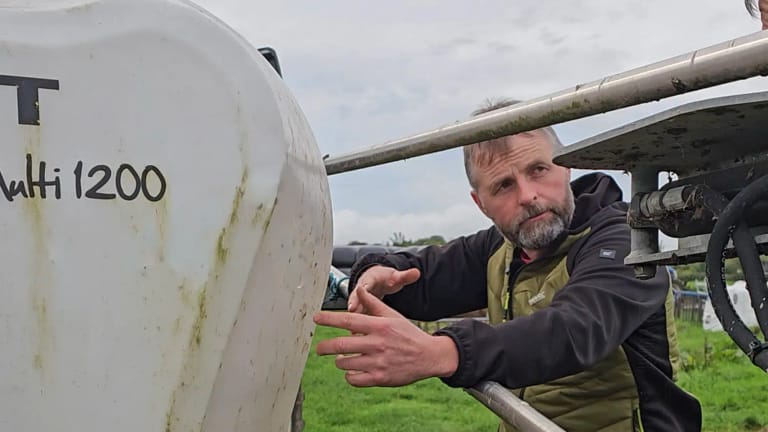
Martin Carew
County Limerick, Ireland
This story was filmed in 2025 and reflects one farmer’s own experience with their Tow and Fert. Every farm is different, so please treat it as a story rather than a forecast for your place.
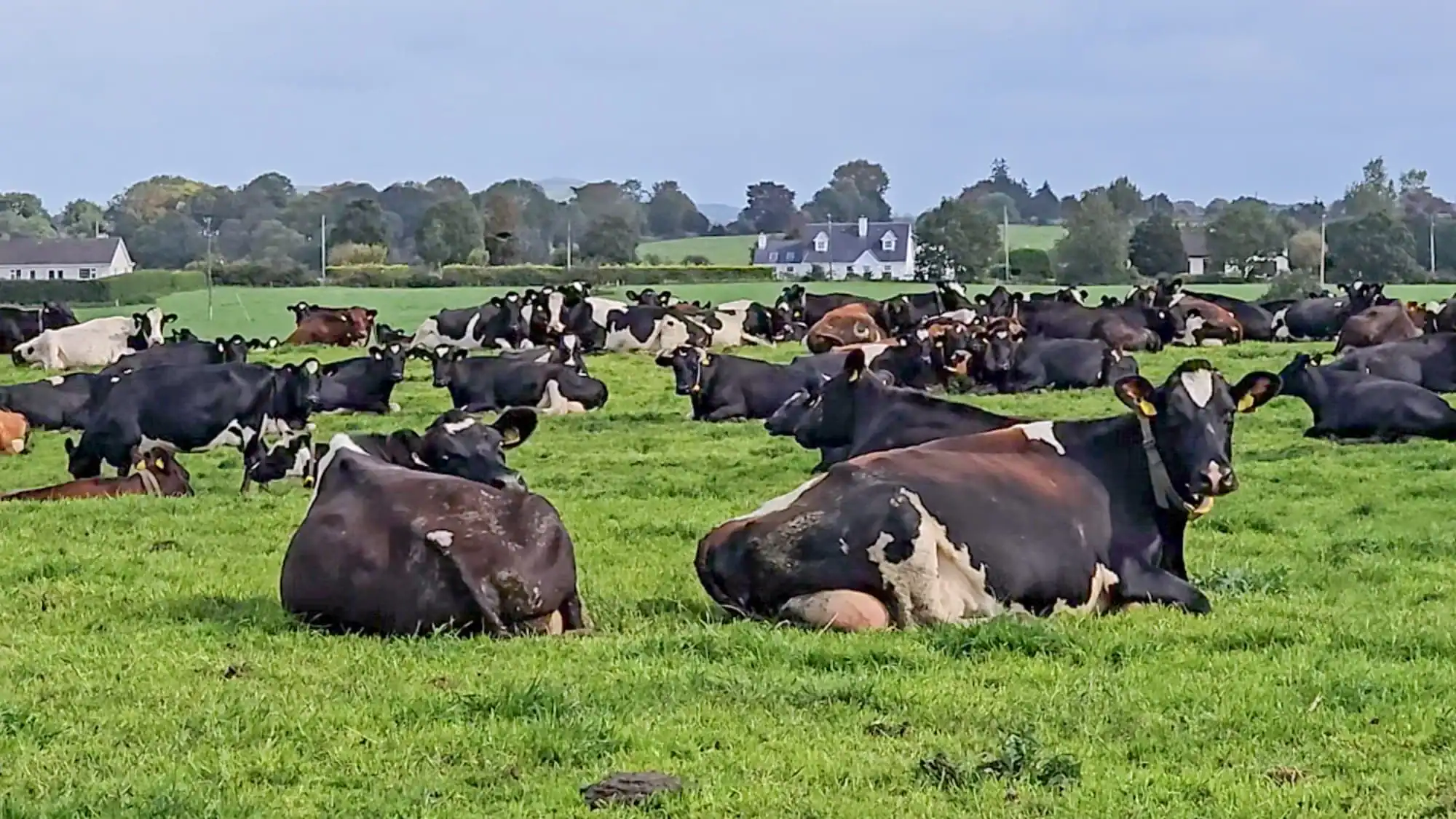
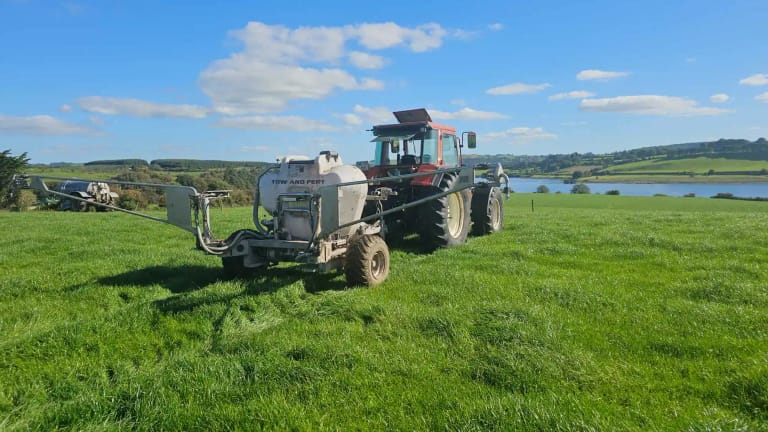
Martin Carew farms in Bruff, County Limerick, running a spring-calving herd on a grass-based system. Up to three years ago, they were using granulated fertiliser through a spreader. Martin had been getting more interested in soil health, and that curiosity is what led him to the Tow and Fert Multi 2800.
We got interested in soil health. We’re trying to learn all the time, and that’s when I got interested in the Tow and Fert machine. We decided to go for it because fertiliser went to 1,000 euros a tonne the following year. Even though we considered the machine expensive at the time, the savings we had the following year would have paid for a good lot of it.
Martin is upfront that the first year came with a learning curve, and that some of that learning came from getting it wrong.
The first year we used the Tow and Fert, we made a lot of mistakes. One big mistake we were making was we were probably putting out too much nitrogen and scorching the grass, and it was setting it back before it could come again. We have learned to put out less, and our timing to be better, not to have it very sunny. Put it out on a dull day.
Since adjusting, Martin says the scorching problem has cleared up.
We have gone from 16 units down to 9 units per acre. That seemed to have actually solved the problem of scorching, and we seem to be growing every bit as much grass as we used to be growing.
He’s also learned some of the practical quirks of running fertiliser through the machine, which products handle it well and which don’t.
The fertilisers you actually use, because urea is simple, it’ll break down, but some of the fertilisers with the P and K in them, they put grit into the fertiliser, and the grit won’t go through the filter, and it’ll block it. But some fertilisers don’t, and it’ll break down quite easily.
Thinking about Tow and Fert?
Talk with a specialist
Tell us about your operation and we’ll match the right model and setup for you.
Martin keeps his spreading programme deliberately simple.
When we were five days away from grazing a paddock, we would spread that paddock at 9 units, and we’d probably come back around to maybe 4 or 5 days behind the cows. We were probably going once every 10 days.
His mix through the machine is straightforward.
What we use in our mix usually is 2,500 kg of water, two bags of urea. Or sometimes what we’re doing is we’re putting in a bag of urea and a bag of sulphur urea. That works out roughly 1 unit of sulphur to 12 units of nitrogen. We think that’s a nice balance. And then we’re putting in about 10 litres of molasses, about 5 kilos of humate, and sometimes 5 to 10 kilos of milk replacer, not all the time, but we probably do it for 1 or 2 rounds in the year.
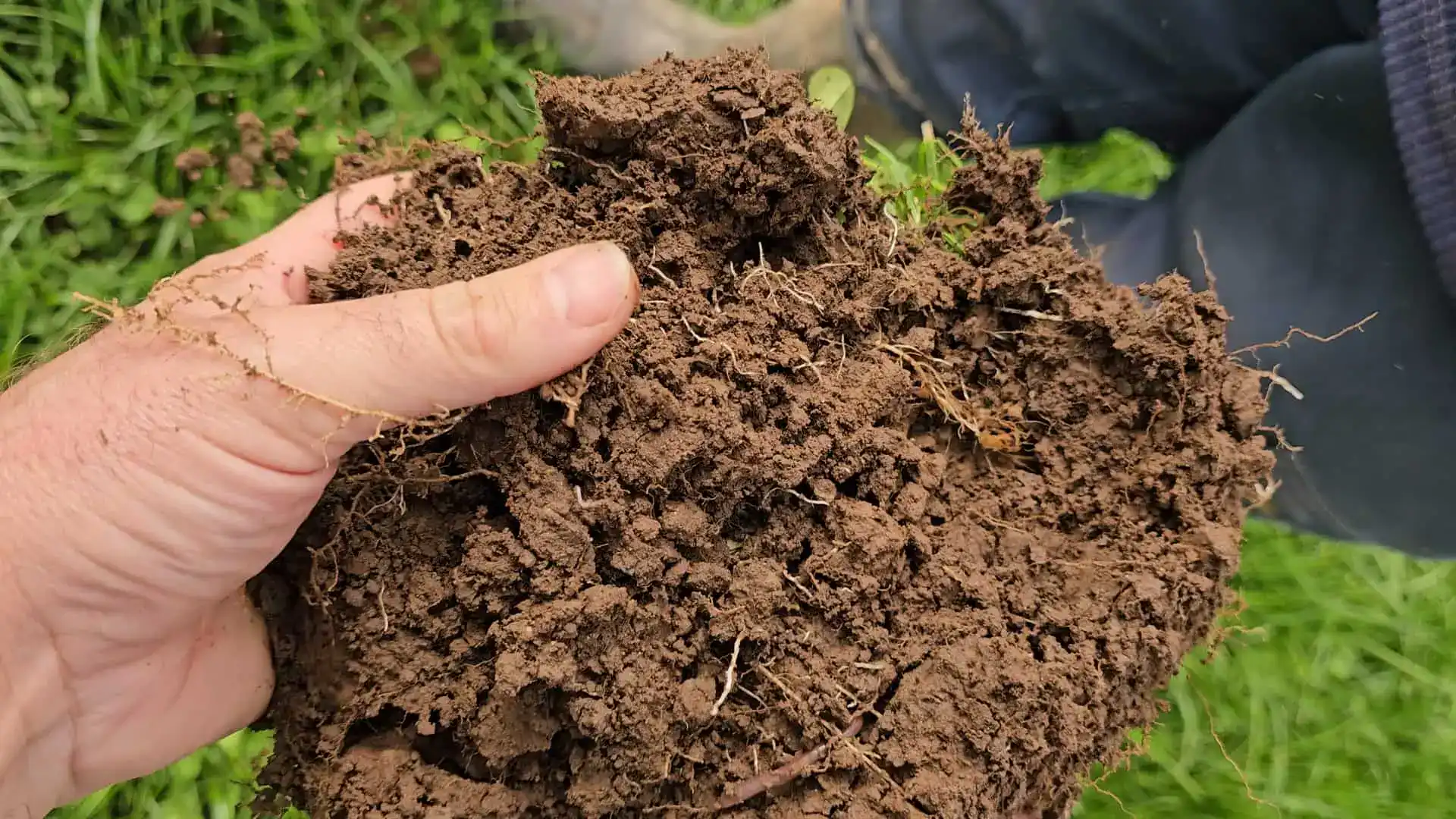
This year we’re seeing a good effect, as the grass just always seems to be alive and wanting to grow. The very minute it’s grazed, it’s shooting back again. What we’re hoping to achieve is to get the soil working better so that, in time, we might be putting out little or no nitrogen. We think with multi-species we’d be able to cut back on the nitrogen a lot more. That’s probably the aim long term.
Martin also rates the support that’s come with the machine, particularly when something’s gone wrong.
It’s very easy to buy a machine, but to get the service afterwards can be a big problem. We had a few small problems, any day of the week, Saturday, Sunday, Monday, I can ring Peter and he’s always on the end of the phone. If you can solve it yourself, fine, great. And if you can’t, he’ll probably be there the following morning. Service has been very good.