Russell Heald
Manawatu, New Zealand
This story was filmed in 2024 and reflects one farmer’s own experience with their Tow and Fert. Every farm is different, so please treat it as a story rather than a forecast for your place.
Not farming the top two inches anymore.
For Russell Heald, the shift toward organic and regenerative dairying at Heald Farm in Norsewood wasn’t just a change in inputs, it was a change in how deep the whole system reaches.
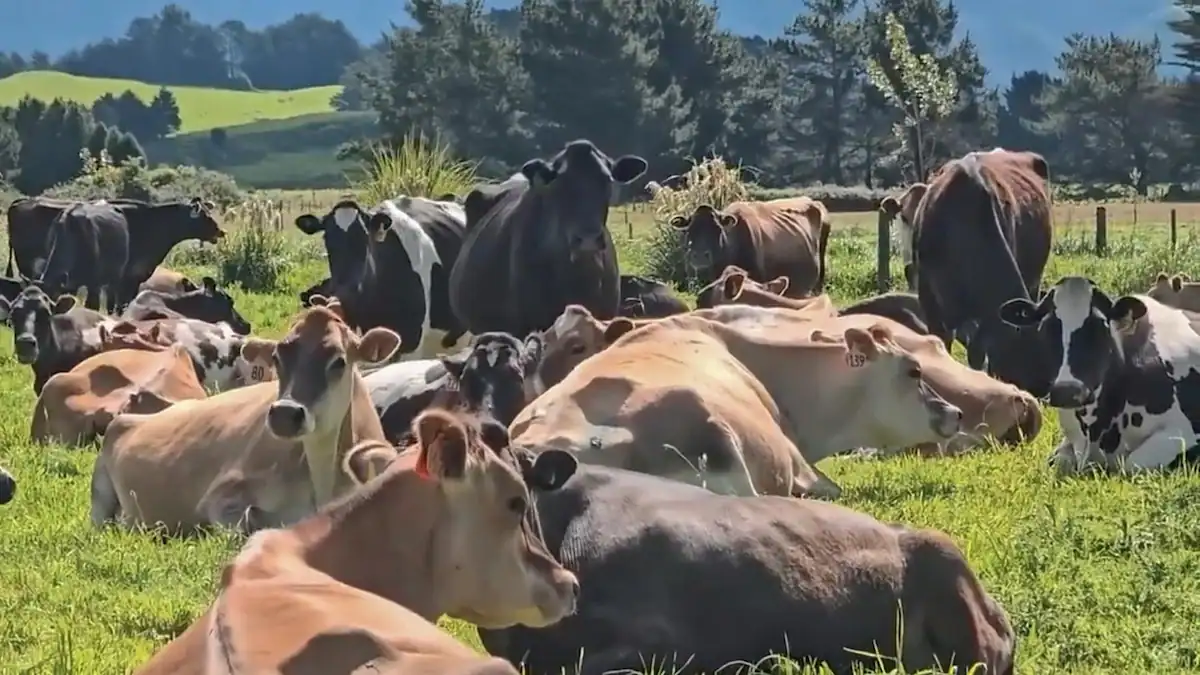
“We run an organic, regenerative dairy farm in Norsewood, on the east coast of the North Island. We milk about 350 cows off 170 hectares effective,” Russell says.
Russell’s history with Tow and Fert goes back to the very start of the machine. His brother’s farm hosted the first Multi 1200 ever made, while Metalform was still developing it, and that early exposure shaped how Russell thought about what was going onto his soils, and into his system, from that point on.
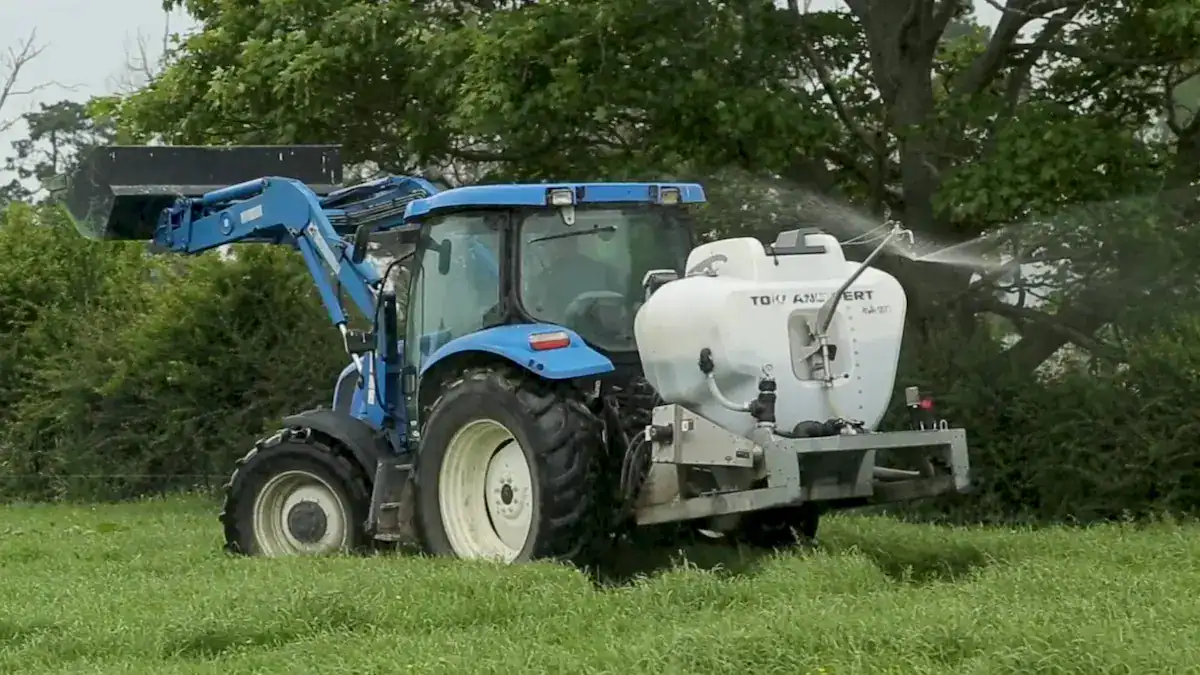
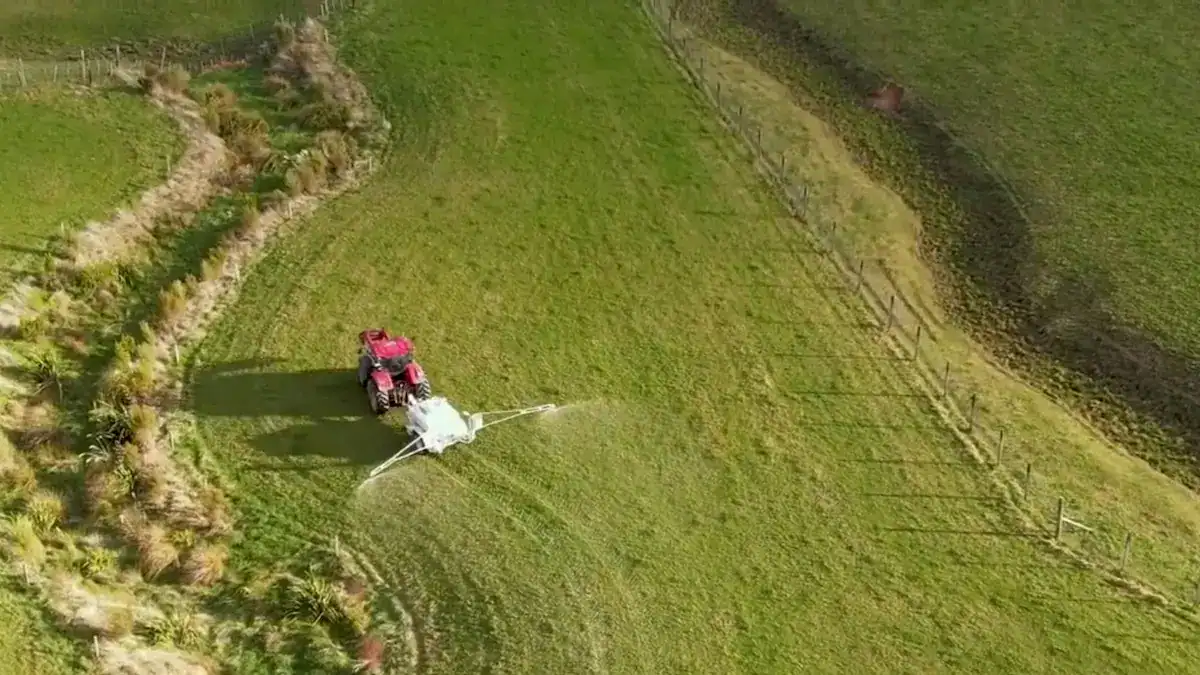
Since then, Heald Farm moved from that first Multi 1200 to a Multi 2800, purchased in November 2022.
“It just creates so much more efficiency. I can go do a load and go out and do sort of 25 to 30 hectares in a load at a time, whereas with our original 1200, we were sort of limited to sort of 6 to 9 hectares to load. So we found we were just filling up a lot of the time.”
Under an organic system, the products change but the machine’s role hasn’t.
Thinking about Tow and Fert?
Talk with a specialist
Tell us about your operation and we’ll match the right model and setup for you.
“So we do use a lot of lime flour through the Tow and Fert. We use some humates, some mussel meal, some mag, and then the other beauty with the Tow and Fert is that we can add our trace elements and other minerals to it. So we use a bit of boron, some zinc sulfate, some selenium, and we can put that through it. And we also use a fresh slurry, as part of feeding that biology and getting that biology working for us.”
Year after year, Russell has seen it in the soil.
“I’ve just noticed the humus levels that have built in our soil, and the texture of our soil, and the darkness, has just been getting better and better year after year. And even rooting depth with all our plants, now we’re sort of down to 3 to 500mm with all our plant roots.”
We’re not farming our top two inches. We’re farming a whole lot deeper, and that’s allowing us to access other minerals from deeper down as well.
The farm’s mixed terrain, roughly half flat and half hill country, has also made it something of an unofficial proving ground.
When things come here, they get Heald tested. We put them through their paces and we don’t wrap them up in bubble wrap at all. I can pretty much drag that 2800 in places most people wouldn’t even drive a tractor.
“It’s stood up to the test of time,” Russell says. “So far it’s been an awesome machine.”