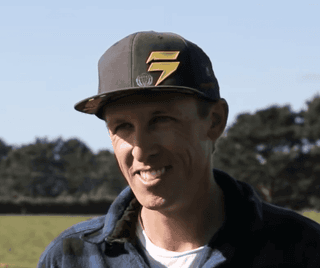
Jeff Bellamy
Taranaki, New Zealand
This story was filmed in 2022 and reflects one farmer’s own experience with their Tow and Fert. Every farm is different, so please treat it as a story rather than a forecast for your place.
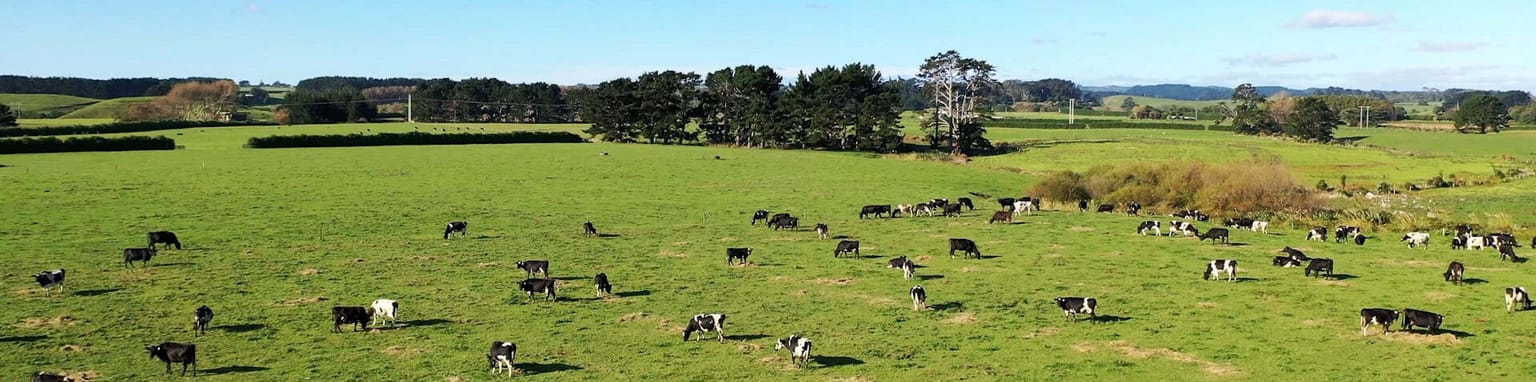
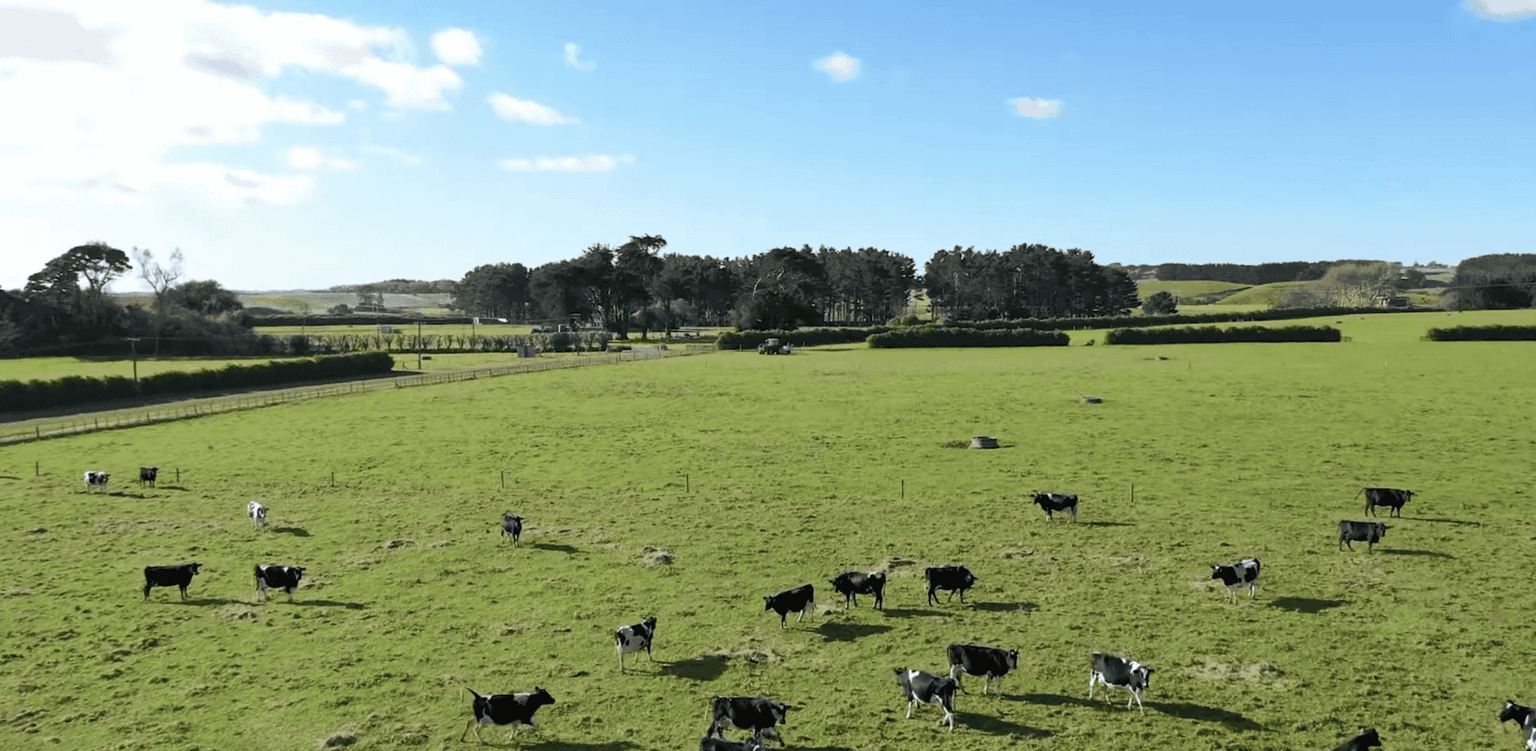
Coming from a 180 hectare system 5 farm in the Waikato, with 850 cows scaled down to about 750, to a 50 hectare effective, 70 hectare total block in Mokoia, South Taranaki running 150 cows, was a change that Jeff and Petri Bellamy were not expecting when they decided they wanted to purchase and run their own farm.
Originally, they had wanted to stay in the Waikato, however prices were prohibitive for entering into owning your own farm. Their bank manager suggested they look at the West Coast of the South Island instead.
Down on the West Coast, Jeff and Petri spent nine to ten months looking for their perfect farm. While searching, Jeff was also looking at fert spreaders and came across the Tow and Fert, possibly through a YouTube video, he isn’t sure which.
Jeff says “I think it was a YouTube video that started our journey down the rabbit hole of Tow and Fert.”
They got in touch with Mike, who visited them in Hokitika where they were staying at the time.
That was a real eye opener, a wealth of information, and it really started our thought pattern somewhere different to where we had been. It wasn’t necessarily the Tow and Fert in total that had done that, but it was a catalyst to thinking outside of where we had normally been. It was almost like the timing for it was secondary, as far as the machine itself, to the thinking behind why we wanted to go down there.
The West Coast farm fell through, so they began looking closer to home in Taranaki for something suitable.
“When we ended up committing to this place, that whole procedure started again, so we were looking at gear and what we were going to need to run the place, and the Tow and Fert was the first cab off the ranks. We’d already decided that was where we wanted to be.”
Now at home on the farm in Mokoia, South Taranaki, their farm is an open book. Both Jeff and Petri have had to learn farming all over again due to the complete change in system. On this farm they walked onto a clean slate. It had minimal inputs over the years, so there were no preordained input systems or products to follow or wean the property off. Instead, Jeff and Petri have been able to begin a journey to a different type of dairy farming.
Thinking about Tow and Fert?
Talk with a specialist
Tell us about your operation and we’ll match the right model and setup for you.
“In the end, no matter which system we decided to run, we locked in on the Tow and Fert.”
And now on the farm in Taranaki, Jeff says that he has not even used the Tow and Fert Multi 1000 for urea. “On our farm here we had no history of fertiliser input. This has meant that we are able to start with a clean slate.”
Mag oxide and lime flour, applied through the machine
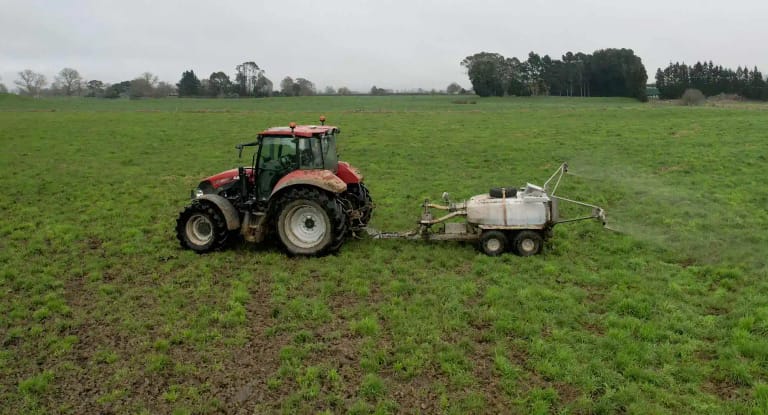
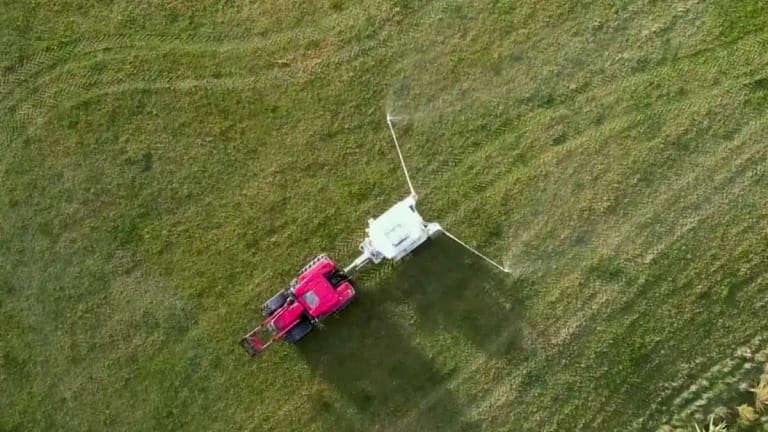
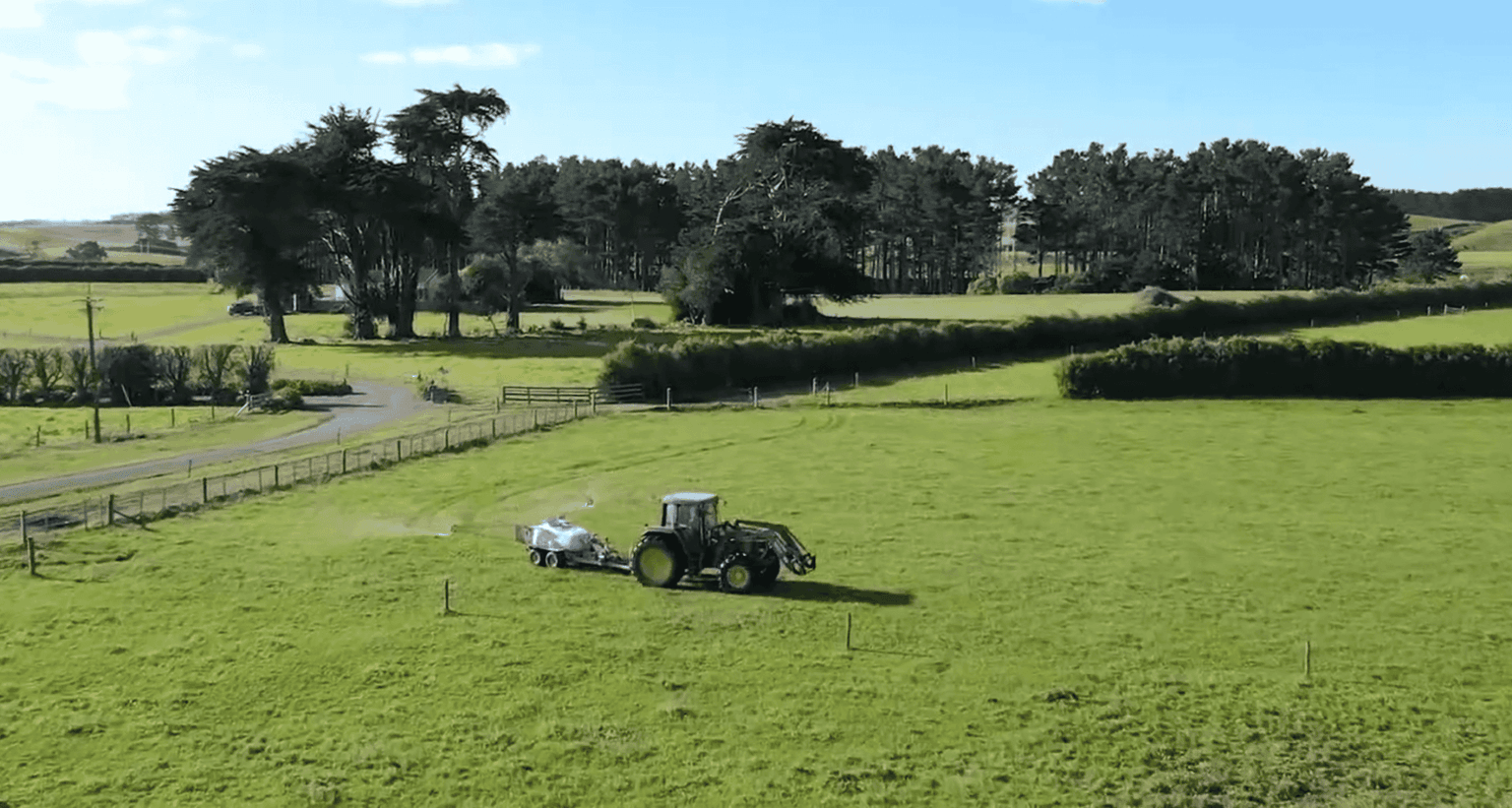
Jeff says that he has done everything but Urea application with the Tow and Fert. Instead, they’ve been applying Mag Oxide, Lime flour and molasses onto the grass, spread evenly across the whole paddock in one pass.
“For our springers, we only had one springer herd, we put in mag chloride and mag oxide and just spread that onto the paddocks. We had zero down cows, we didn’t use any bags, nothing was shaky at all.”
It followed on from that, we were using it to spread lime flour as well for our milkers, and certainly no issues with that either. We’ve had such a calm herd in the cowshed, no issues going from the rotary into a herringbone, and we’ve had no jittery, no kicky, no unsettled animals at all putting the mag oxide through the Tow and Fert.
Petri adds “It’s been so good to be able to spread the whole paddock for the milkers, or colostrums, and to know they are going to get whatever they get eating the grass there. There’s not going to be one patch of white and one patch of nothing.”
The animal health side of it has been a real unexpected bonus, and I think it just highlights the versatility of the machine, because we feel like we’re still only scratching the tip of the iceberg for what it can do. We’ve been to a few field days where we’ve heard other farmers talk about what they’re using it for, and we’re excited about the prospect of what it can still do for us.
But for now, just the animal health side of things has been mind-blowing. We’re six times less cost than where we were before per cow, just for animal health. And even if it was only to do that for us, it would still be worth our investment in having the machine.